PULSE
2025
한지원
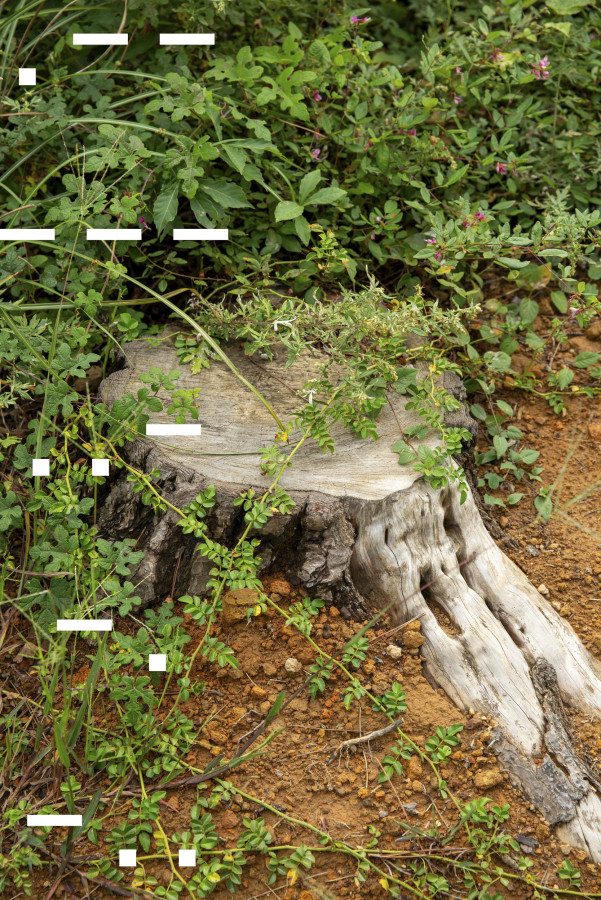
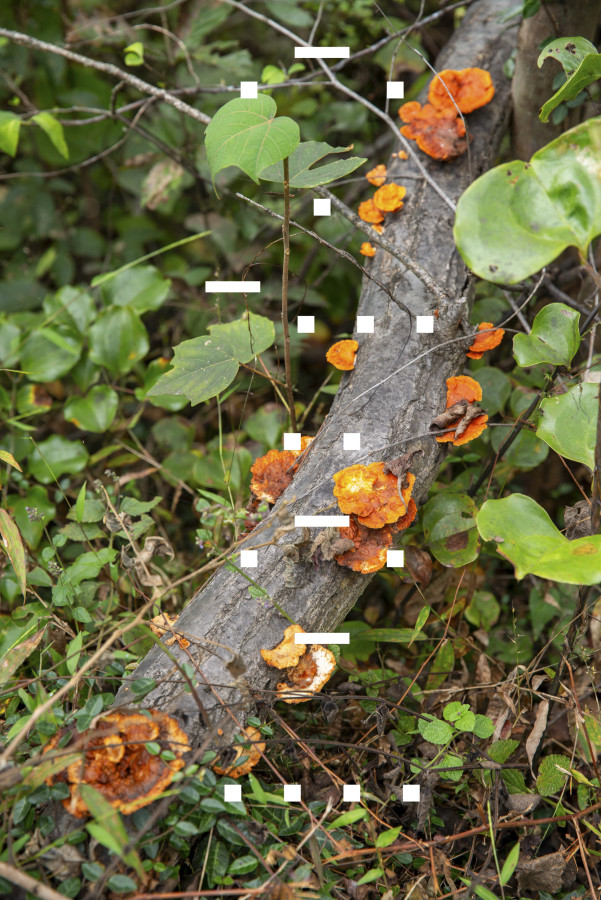
숲은 수많은 존재가 쌓이고 겹치며 형성된 유기체다. 시간이 지나며 어떤 것은 변하고 어떤 것은 사라진다. 쓰러진 나무는 토양이 되고, 그 위에서 새로운 생명이 돋는다. 인간도 그와 같다. 경험이 층을 이루고, 기억이 변하고, 망각을 통해 자신을 갱신한다. 하나의 나무로는 닿을 수 없는 세계가 수많은 결이 모여 숲이 되듯, 인간 역시 축적된 총체로서 존재한다.
이렇듯 숲과 인간은 같은 구조를 갖는다. 시간을 층으로 쌓고, 소멸을 통해 갱신되며, 개별이 모여 전체를 이룬다. 숲의 리듬은 인간의 리듬과 겹쳐지고, 숲의 맥박은 인간의 맥박과 동기화된다. 그러나 지금 숲은 개발의 이름으로 사라지고 있으며, 이 소멸은 순환이 아닌 단절이다.
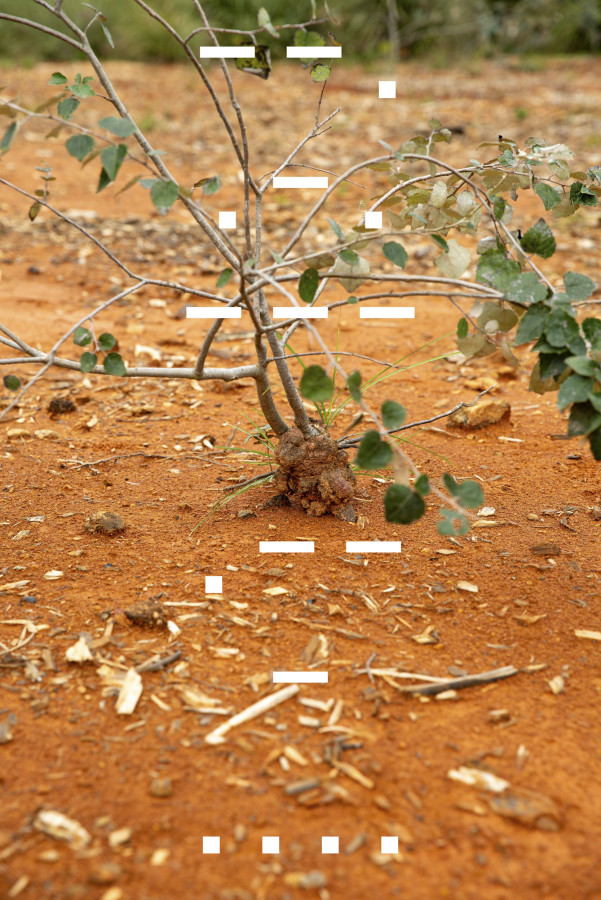
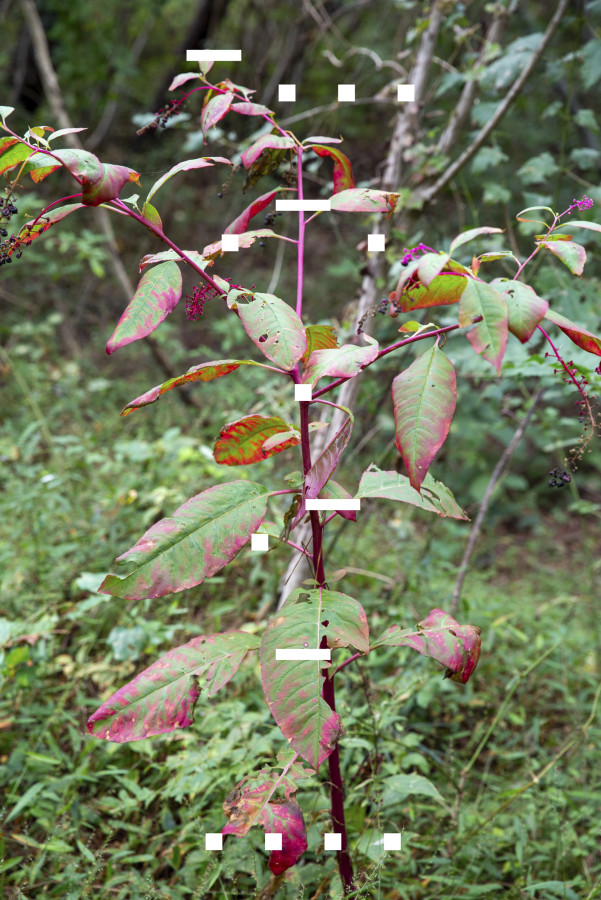
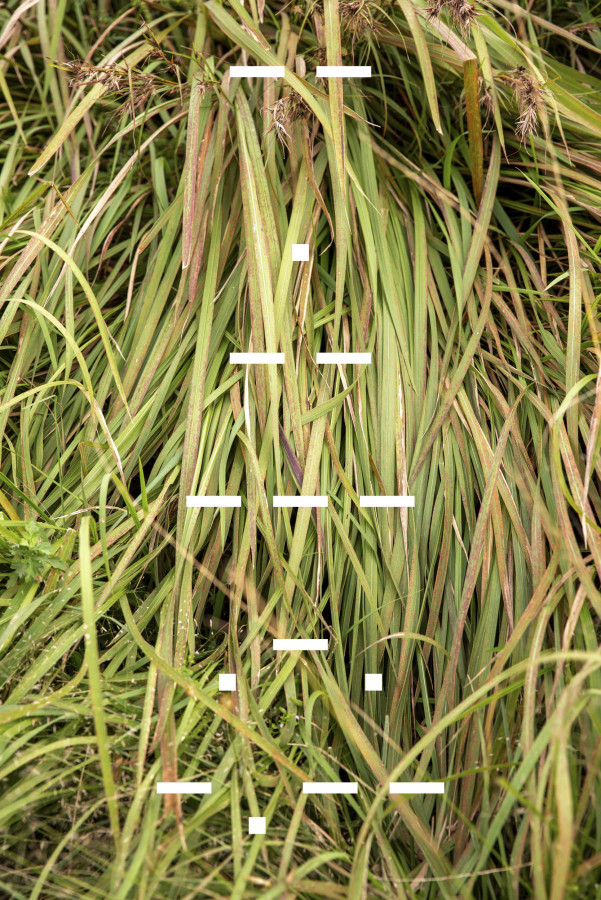
이 작업은 그런 숲의 신호를 기록한다. 모스부호로 번역된 신호는 숲이 남긴 언어이자 맥박이며, 살아 있음과 사라짐 사이에서 떨리는 리듬이다. 그 신호는 여전히 어딘가에서 울리고 있다. 숲을 지우는 일은 단순히 나무를 베는 일이 아니라, 시간의 퇴적을 무너뜨리고 생명의 순환을 끊는 일이다. 자연적 사라짐이 과정의 일부라면, 폭력적 파괴는 그 순환을 거부하는 일이다.
PULSE
2025
Han Jiwon
A forest is an organism formed through the accumulation and layering of countless entities. Over time, some things change while others fade away. A fallen tree becomes soil, and from that soil new life emerges. Humanity mirrors this process: experiences form strata, memories shift, and renewal arises through the act of forgetting. Just as a world unreachable by a single tree becomes a forest through the convergence of countless textures, humans too exist as an accumulated totality.
Thus, forests and humans share an inherent structure. They layer time, renew through disappearance, and form a whole from individual parts. The rhythm of the forest overlaps with the rhythm of humanity, and its pulse synchronizes with the pulse of human life. Yet today, forests are vanishing in the name of development — a disappearance that marks a rupture rather than a cycle.
This work records such signals from the forest. Translated into Morse code, these signals become the forest’s language and pulse — a trembling rhythm suspended between being and vanishing. That signal still echoes somewhere. To erase a forest is not merely to fell trees; it is to collapse the sediment of time and sever the cycle of life. While natural disappearance is part of the process, violent destruction rejects that cycle.