Sync
2025
홍채민
끊임없이 생성되고 사라지는 이미지와 소리 속에서 감각은 점차 새로움을 인식하는 힘을 잃어간다. 릴스, 쇼츠, 틱톡이 쏟아내는 순간의 자극들은 더 이상 감각을 일깨우지 못한 채, 반복된 각성의 피로만을 남긴다.
이 작업은 잃어버린 감각의 깊이를 되찾고, 한때 새로움을 느낄 수 있었던 나 자신의 감각 상태를 복원하려는 시도이다. 무한히 반복되는 자극은 감각을 각성시키기보다 둔화된 반응의 습관을 남겼다.
SYNC는 멈춰버린 감각을 다시 움직이게 하기 위한 리듬적 실험이다. 나는 ‘귀로 듣는 음악’을 ‘눈으로 듣는 리듬’으로 바꾸는 과정에서 감각이 다시 반응하고 살아나는 지점을 찾고자 했다. 소리의 구조를 시각적 리듬으로 전환하며, 청각과 시각이 동시에 작동하는 그 순간 감각이 다시 깨어나는 경험을 마주한다.
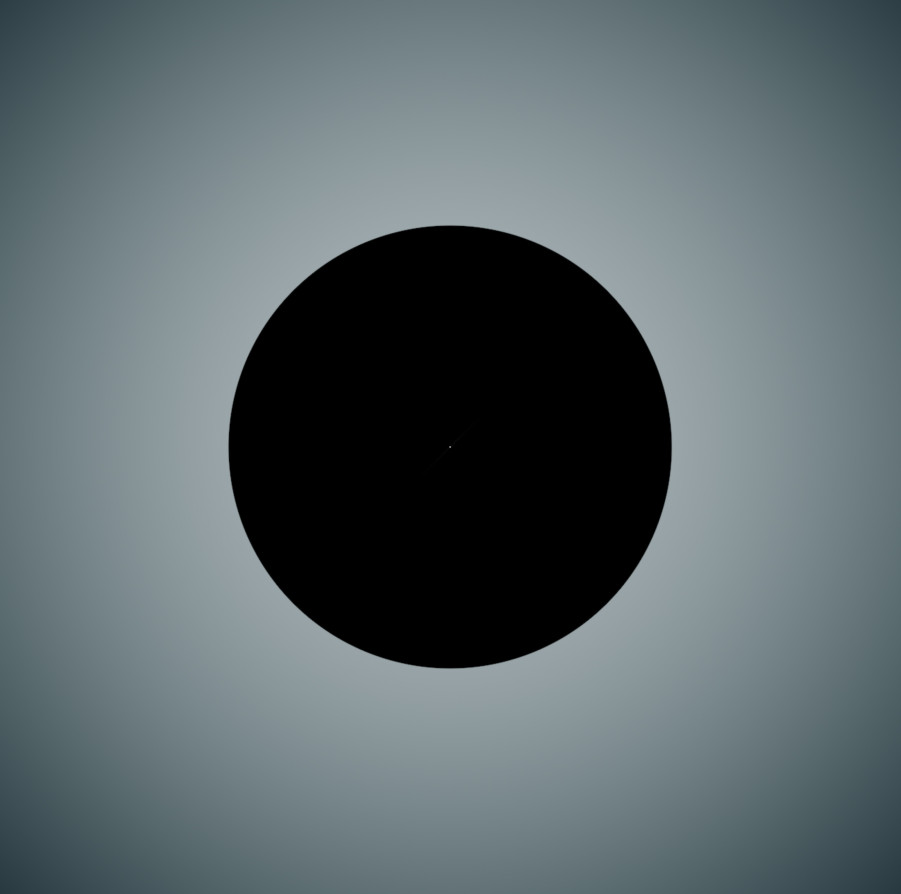
영상 속 원은 더 이상 새로움을 느끼지 못하는 감각의 경계를, 바깥으로 뻗어나가는 선은 감각이 다시 반응하며 새로움을 회복하는 과정을 상징한다. 그리고 배경은 외부 세계를 의미하며 내 감각인 선들이 배경으로 침범하는 순간 감각이 다시 깨어나는 과정을 시각적으로 드러낸다
점, 선, 면의 미세한 움직임은 소리의 주파수와 밀도, 박자 변화에 반응하며, 청각적 리듬이 시각적 리듬과 동기화(Sync) 되는 과정을 보여준다. 나는 이 진동의 흐름 속에서, 감각이 미세하게 반응하며 다시 깨어나는 순간을 마주한다. SYNC는 그렇게, 무뎌진 감각이 다시 살아나는 과정을 리듬과 시각으로 탐구한 나의 시도이다.
Sync
2025
Hong Chemin
In the endless stream of images and sounds that are constantly being generated and disappearing, the senses gradually lose their ability to perceive novelty. Reels, Shorts, and TikToks flood us with momentary stimuli that no longer awaken the senses, leaving only the fatigue of repeated arousal.
This work is an attempt to recover the depth of lost sensation to restore the state of perception in which I once felt something truly new. Endless repetition dulls rather than heightens sensitivity, creating a habitual numbness in our responses.
SYNC is a rhythmic experiment to reactivate the dormant senses.In transforming “music for the ears” into “rhythm for the eyes,” I sought the moment when perception begins to respond and come alive again. By translating the structure of sound into visual rhythm, I aimed to experience the instant when hearing and seeing operate simultaneously when the senses reawaken.
The circle in the video represents the boundary of dulled perception the lines extending outward symbolize the recovery of sensitivity and the process of rediscovering newness. The background signifies the external world, and the moment my inner lines penetrate this field visually depicts the awakening of the senses.
The subtle movements of points, lines, and planes respond to variations in frequency, density, and tempo, revealing the process through which auditory rhythm becomes synchronized with visual rhythm. SYNC is thus my exploration of how dulled senses can be revived through rhythm and vision.
Within this current of vibration, I encounter the moment when perception trembles — when it comes alive again.