
분열의 주체
2025
정도연
"주체란 <단일한 목소리를 가진 한 사람이 아닌 특정 발화가 만들어내는 수행적인 효과를 이르는 이름> 이다. ··· (중략) ··· 언어는 발화 주체나 발화행위 주체 사이의 분열을 수반한다." (권혁웅, 2010, 시론)
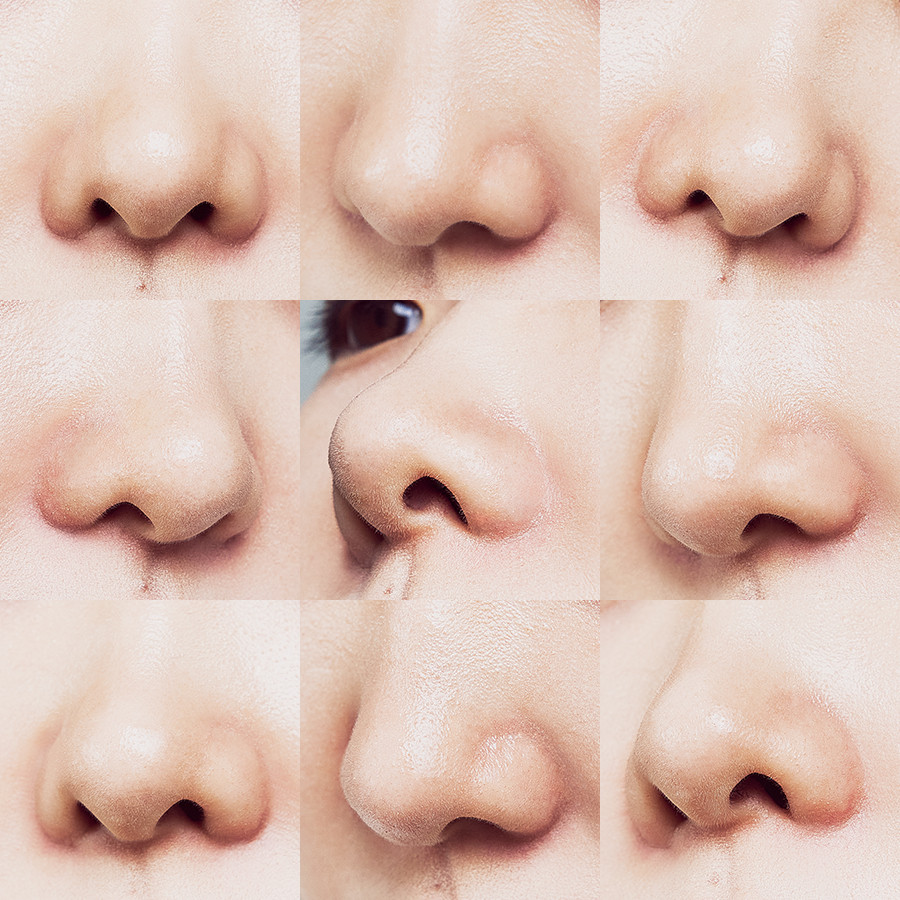
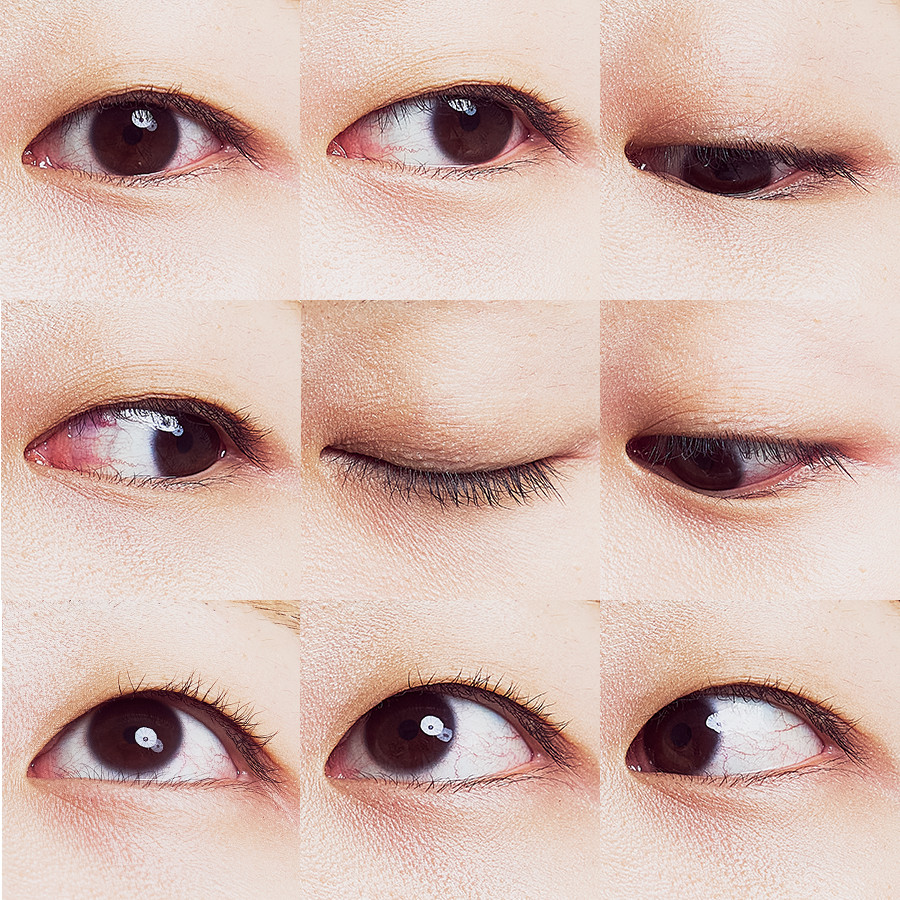
이 작업은 문학적 '주체' 개념을 자아에 적용하여, 그 분열을 시각적으로
드러낸다. 각 얼굴은 미묘한 표정 차이로 일관성을 유지하지 못한다. 그들의
불안정한 움직임은 분열된 주체와 불완전한 자아를 시각적으로 나타낸다.
각 얼굴의 움직임은 발화처럼 수행적이며, 이목구비의 이미지는 분열의 시각적 리듬을 보여준다. 시각적 리듬의 어긋남을 통해 '분열이 일어나는 중'을 감각하게 만든다. 이 작업은 자신의 불완전함을 체험하고, '분열의 주체'로의 전환을
제시한다. 설치된 구조물을 통해 주체의 분열은 해체가 아닌 유기적으로 연결되어 있음을 나타낸다.
나는 그 속에서 존재를 다시 구성하며, 분열된 조각 속에서 여전히 나를 발견한다. 우리는 완전할 필요는 없으며, 중요한 것은 그 조각들 속에서 여전히 '나'를 찾는 것이다.
Ego
2025
Jeong Doyeon
The subject is . ... Language involves a division between the subject of speech or the subject of the act of speech. (Kwon Hyukung, 2010, Poetics)
This work applies the concept of literary 'subject' to the self and visually reveals the division. Each face is inconsistent due to subtle facial expressions. Their unstable movements visually represent the divided subject and the imperfect self.
The movement of each face is performative like speech, and the image of the features shows the visual rhythm of division. Through the deviation of the visual rhythm, it makes you feel 'dividing occurring'. This work experiences one's own imperfections and presents a transition to the 'subject of division'. The division of the subject through the installed structure indicates that it is organically connected, not dismantled.
I reconstruct my existence in it, and I still find myself in the divided pieces. We don't have to be complete, and the important thing is to still find 'I' in the pieces.